 Mattresses
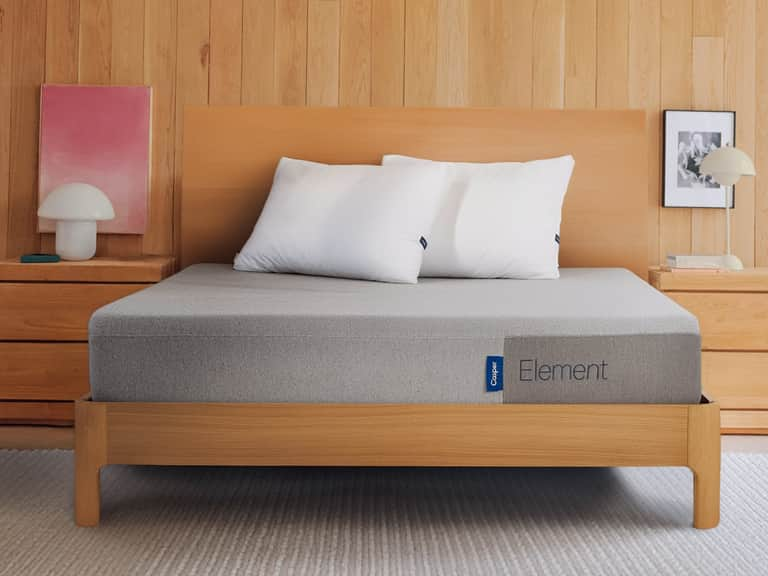
Element Mattress
Sleep cooler with airflow through the open-cell top layer and enjoy a responsive, gently bouncy feel that makes it easier to move and helps you avoid that stuck-in-memory-foam sensation.
Foam mattresses use resilient cushioning materials to support the body and distribute pressure across the sleep surface. Their construction may include one or more foam layers, each serving a different role in comfort or stability. Understanding firmness, thickness, and material composition helps explain how a mattress fits individual sleep preferences and everyday bedding needs.
The Element Mattress is the named product in this category. Its foam design is intended to provide a supportive, cushioned sleep surface, with foam commonly valued for contouring and limiting the transfer of movement between sleeping partners. Actual feel and support depend on the mattress specifications, body type, and preferred sleeping position.
When assessing a foam mattress, useful considerations include foam density, firmness, ventilation, and the materials used in each layer. These characteristics can affect durability, temperature comfort, and how closely the surface conforms to the body. Mattress dimensions and compatibility with a bed frame also matter when planning a complete bedding setup.
Foam mattresses are generally associated with adult sleep, while nursery settings have distinct safety and fit requirements. Organic mattresses and organic crib mattresses may appeal to people researching material sourcing, but they are not interchangeable with standard adult models. A crib mattress should be specifically designed to fit the crib and meet applicable safety guidance.
A well-planned sleep environment includes more than a mattress: bedding and pillows also influence comfort and practical use. The Element Mattress can be considered in relation to those accessories, while mattress care guidance helps preserve its condition. For nursery or adult use, checking product details and care instructions supports informed decisions about materials and suitability.
Mattresses