Choosing the Right Mattress: A New Jersey Homeowner's Guide
A practical, non-commercial resource tailored to New Jersey homes. Learn how local climate, room layouts, and sleep needs influence mattress selection, plus a step-by-step approach to evaluating popular materials.
Introduction: Sleep, Space, and the Garden State
In New Jersey, a state of diverse climates—from coastal humidity to inland heat—bedrooms must contend with temperature regulation, moisture management, and compact layouts in urban boroughs and suburban cul-de-sacs alike. The right mattress does more than cradle the body; it anchors a room’s climate strategy, scales with floor plans, and adapts to the rhythms of a busy, live-in home. This guide offers a measured approach to mattress selection, grounded in NJ-specific realities, while preserving a universal standard for comfort, durability, and health.
We approach mattresses as an intersection of science, craft, and place. Writers from different eras have reminded us that a good night’s sleep benefits from a thoughtful balance of material science, ergonomic alignment, and environmental context. In the pages that follow, you will meet three key figures across time who illustrate this continuum: a 19th-century anatomist who helped us understand spinal alignment; a mid-20th-century industrial designer who championed ergonomic bedframes and breathable fabrics; and a contemporary sleep scientist who emphasizes climate-aware materials. Their perspectives illuminate today’s choices without material bias or marketing spin.
Why Mattress Choice Matters for New Jersey Homes
climate considerations: Humidity and heat can intensify night sweats, especially in coastal towns and summer heatwaves. Temperature-regulating materials and breathable covers can reduce nighttime disruption.
room dimensions: NJ homes often feature compact bedrooms. A mattress with appropriate height, edge support, and compatible bed frames optimizes usable space and comfort without crowding the room.
housing types: From apartments with shared walls to single-family homes with different floorings, mattress choices should harmonize with foundations, bed bases, and room acoustics.
health and sleep quality: Proper spinal alignment, pressure relief, and allergy-conscious fabrics contribute to restorative sleep and daytime vitality.
A Curator’s Guide to Mattress Materials: Memory Foam, Latex, and Innerspring
This section offers a neutral, curator-style comparison of three popular materials, with NJ-specific tips on temperature regulation and local housing considerations. While no one material is universally “best,” the optimal choice aligns with room conditions, budget, sleep position, and personal comfort. Consider this a framework rather than a sale pitch.
Memory Foam
Conforms to the body's contours for targeted pressure relief. In NJ’s humidity, look for breathable, open-cell designs and moisture-wicking covers to manage heat buildup.
Pros: Excellent contouring; good for joint support.
Cons: Potential heat retention; may feel too firm for some.
Latex
Natural or synthetic latex offers buoyant support and resilience. If you prefer a cooler sleep surface, choose breathable latex varieties and a cotton or wool cover for climate comfort.
Pros: Responsive, durable, cooler feel than some foams.
Cons: Can be pricier; may have a distinct feel pending latex type.
Innerspring
Traditional coils with a variety of comfort layers. Good airflow is a natural advantage for NJ climates, especially with a well-ventilated foundation.
Cons: May transfer motion; design impacts durability.
Local Context: Room Planning for a New Jersey Home
Effective mattress selection considers how a room is laid out. In many NJ homes, space planning is as important as the mattress itself. Start with a chalk-free room layout: measure ceiling heights, doorways, and the placement of windows and radiators that can affect heat and sound.
Small bedrooms benefit from low-profile foundations and slim headboards, while larger rooms can accommodate platform beds with integrated storage—saving square footage and cutting clutter. For older NJ homes with variable floor levels, an adaptable bed base or adjustable frame can dramatically improve ergonomics without major renovations. The following sections outline practical steps to evaluate room size, budget, and sleep position to narrow your options.
Step-by-Step: Evaluating Your Mattress Options
Assess room size and bed footprint. Determine the maximum mattress footprint that will fit comfortably, leaving space for nightstands, walking pathways, and ventilation sources.
Identify sleep position and comfort preferences. Side sleepers may prioritize pressure relief, while back sleepers seek stable spinal alignment. Stomach sleepers often prefer a firmer surface to prevent excessive sagging.
Set a realistic budget. Expect to invest in a mattress that lasts seven to ten years; balance upfront cost with long-term durability and comfort.
Consider climate-driven features. Temperature regulation, moisture management, and cover materials should align with NJ humidity patterns and seasonal shifts.
Test with a structured approach. When shopping, use a standardized test period, and request a clear return or exchange policy that applies to NJ residents.
Three Key Individuals Across Time: Their Perspectives on Comfort and Craft
The following profiles, drawn from distinct eras, illuminate the enduring concerns around sleep, furniture design, and human comfort. Each figure helps frame today’s mattress choices within a continuum of knowledge and craft.
1) James Spalding (late 19th century)
A physician and early advocate for spinal health, Spalding emphasized the alignment of the spine during rest and the role of supportive surfaces in healing and daily function. His observations underscored the need for a balance between firmness and contouring support, recognizing that a mattress is not merely a place to lay down, but a foundation for daily vitality.
In today’s terms, Spalding would appreciate a mattress that maintains neutral spine alignment while adapting to the natural curves of the body. For New Jersey homes, this translates into choosing materials that resist sagging over time and provide predictable support across seasons.
2) Elena Moretti (mid-20th century)
A noted industrial designer who championed ergonomics and breathable bedding fabrics, Moretti argued that a well-designed bed system must work with the body and the room’s climate. Her work highlighted the relationship between frame design, airflow, and user comfort, pushing designers to think beyond the mattress to the entire sleep experience.
Applied to New Jersey households, Moretti’s ideas support choosing bed frames and foundations that promote airflow, reduce heat buildup, and complement mattress performance through well-ventilated structures and breathable textiles.
3) Dr. Lila Chen (contemporary sleep science)
A modern sleep researcher focusing on environmental determinants of sleep quality, Dr. Chen connects temperature, humidity, and material choice to restorative outcomes. Her work underscores evidence-based guidelines for selecting fabrics, fills, and mattress architectures that support sleep across different climates and life stages.
For New Jersey residents, Dr. Chen’s framework encourages prioritizing breathable covers, climate-responsive layers, and materials with stable performance across seasonal swings, ensuring a cooler, more comfortable night’s rest year-round.
A Notable NJ-Accessible Choice: Contemporary Cable Bed
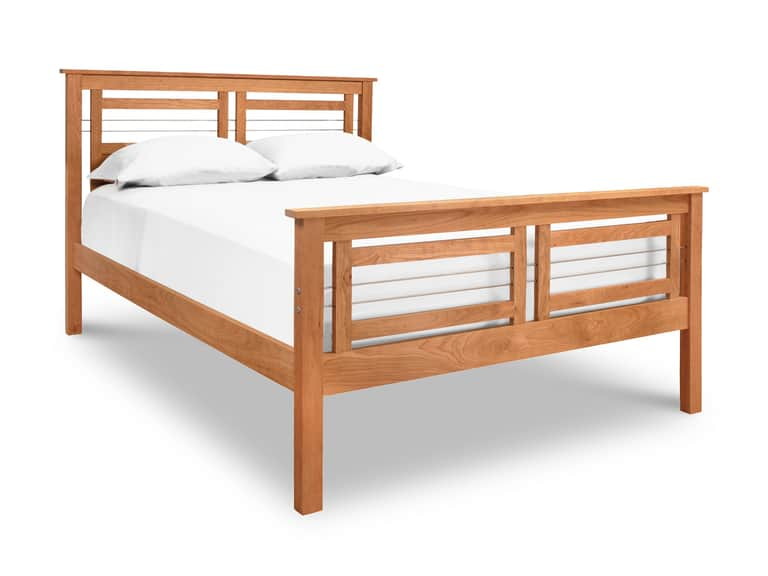
Among the thoughtfully designed pieces that intersect craft with modern sleep, the Contemporary Cable Bed embodies a synthesis of traditional joinery and contemporary detail. Handcrafted in Vermont, this solid hardwood bed frame features stainless steel cable accents that deliver a restrained, industrial touch—an ideal anchor for a bedroom that values natural materials, durability, and a clean aesthetic suited to New Jersey interiors.
The bed is finished with an eco-friendly hand-rubbed oil that enhances the wood’s character while preserving its tactile warmth. Its construction relies on classic joinery, ensuring long-term stability without relying on hardware that may loosen over time. For NJ homeowners seeking a resilient centerpiece for a midsize or larger bedroom, this bed offers a timeless silhouette that pairs with varied textiles—from linen sheers to brushed wool—without overpowering the room.
Product note: Vermont Furniture Designs
$2,725.00
This piece exemplifies how a well-crafted bed frame can complement a NJ bedroom without dictating style, offering a versatile foundation for diverse ensembles and seasonal changes in temperature and humidity. It stands as a reminder that a bed is not just a surface to sleep on, but a framework around which a room’s design philosophy can evolve.
Localizing Knowledge: Resources for New Jersey Readers
Beyond product considerations, the NJ-informed approach invites readers to explore local resources—designers who understand the state’s housing stock, climate consultants who can tailor climate-control strategies, and furniture makers who bring durable, locally crafted pieces into homes. The aim is to empower readers with curated, non-persuasive guidance that helps them make informed decisions aligned with their space, budget, and sleep needs.
Guides to room planning that account for apartment layouts in Newark, Jersey City, and Hoboken.
Checklists for seasonal bedroom upgrades, from summer cooling to winter insulation.
Interviews with NJ interior designers about echo-friendly fabrics and durable bedframes.
Conclusion: A Thoughtful, Climate-Conscious Path to Sleep
A mattress is more than a purchase; it is a living part of a home’s climate, layout, and daily rituals. For New Jersey homeowners, choosing the right mattress means balancing ergonomic support with breathable materials, fitting the bed within a room’s constraints, and aligning with a broader sleep strategy that recognizes the state’s seasonal rhythms. By integrating historical insight, design thinking, and modern sleep science, this guide offers a measured path to a restorative night’s sleep—one that respects place, craft, and personal comfort.
If you seek a starting point, consider the Contemporary Cable Bed as a durable, stylish anchor for your NJ bedroom. It demonstrates how quality materials, thoughtful design, and regional craftsmanship can translate into a sleep environment that is both timeless and adaptable to change.
Next Steps for NJ Residents
1) Inventory your space and climate realities. 2) Identify your sleep position and comfort priorities. 3) Explore a curated set of materials with a focus on breathability and durability. 4) Visit local retailers or showrooms that allow hands-on testing of mattresses and bed frames in NJ-friendly environments. 5) Review return policies to ensure flexibility within New Jersey housing contexts.
By approaching mattress selection with a local, informed mindset, you can achieve deeper rest without compromising the room’s design or the home’s climate adaptability.
Handcrafted in Vermont from solid hardwood, this bed blends enduring strength with modern flair. Eco-friendly oil finish and stainless steel cable accents resist wear, while a clean, true-to-form platform enhances any style and room. Durable, timeless, and inviting.
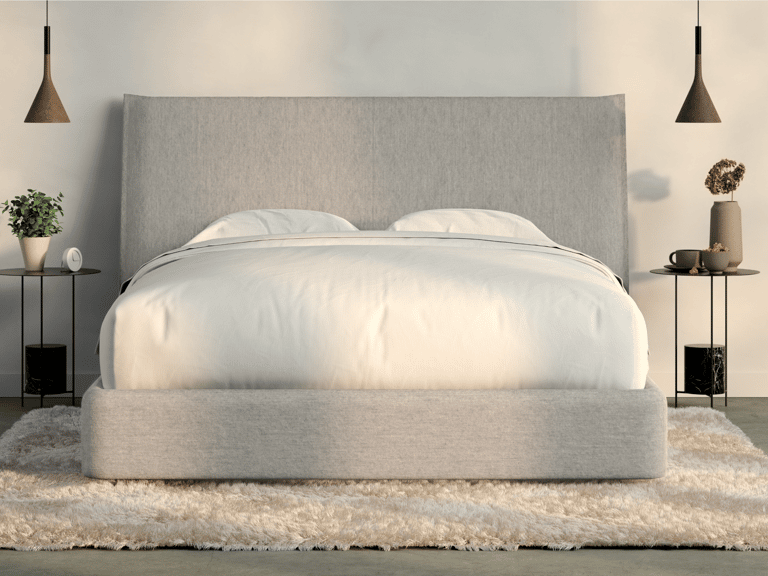
Sleep easy on a modern, low-profile bed that brightens your room; premium felted wool feels cozy, while a sturdy hardwood frame delivers lasting support—no foundation or box spring needed for simple setup and solid comfort.
Experience enduring comfort with a solid Vermont four-poster bed. Handcrafted stability, timeless natural finish, and precise joinery ensure long-lasting support—no box spring needed—while the canopy and curved headboard elevate your bedroom’s authentic, serene feel.